
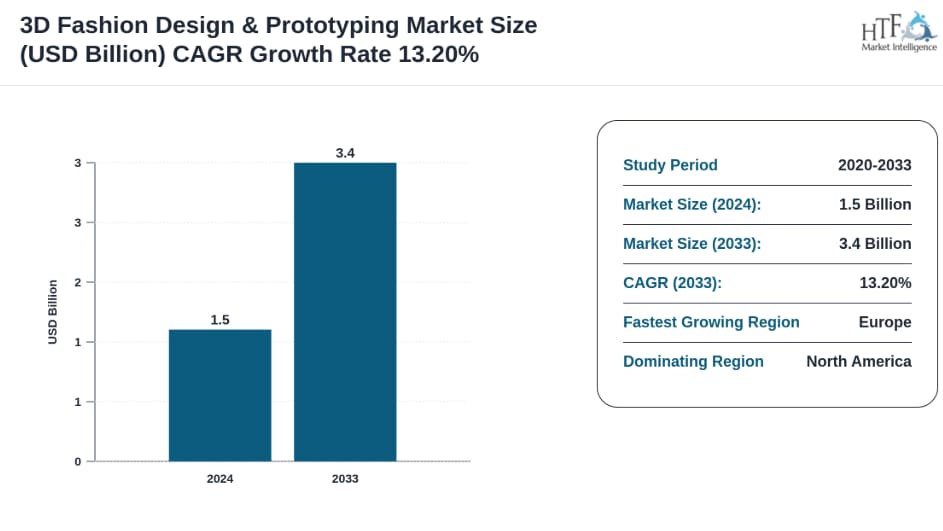
3D fashion, especially design and prototyping, has really taken off in the last few years. With North America leading the way and Europe fast adopting the newest technologies, the market share is expected to double between 2024 and 2033.
We reviewed more than 200 job listings on LinkedIn to shortlist what leading companies like Gap, Ralph Lauren, and the like want you to include in your 3D fashion design portfolio.
Download Data Source CSV
Why You Need A 3D Fashion Portfolio in 2026
of companies are strictly looking for CAD and 3D design skills.
of companies emphasise technical skills through high-impact designs.
In 2026, proficiency in these tools is a non-negotiable hiring standard:
Future-Proof Your Career
- Developing 3D design skills is the need of the hour.
- A portfolio allows you to showcase creativity + innovation.
- Work samples prove your familiarity with industry standards.
- An updated portfolio = career insurance.
What to Include in Your Portfolio
Quality over Quantity1. Build Strong Visual Narratives
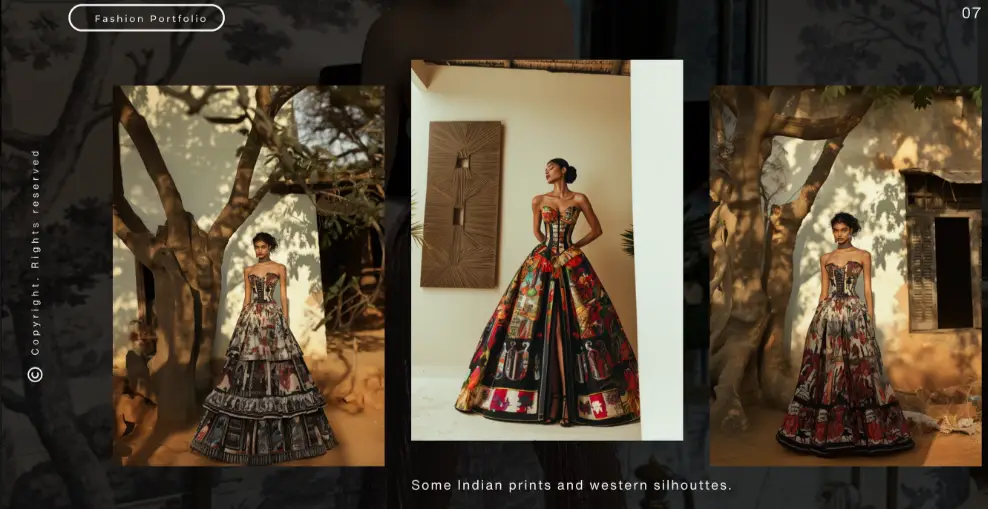
Theme: Stylized Indian Prints
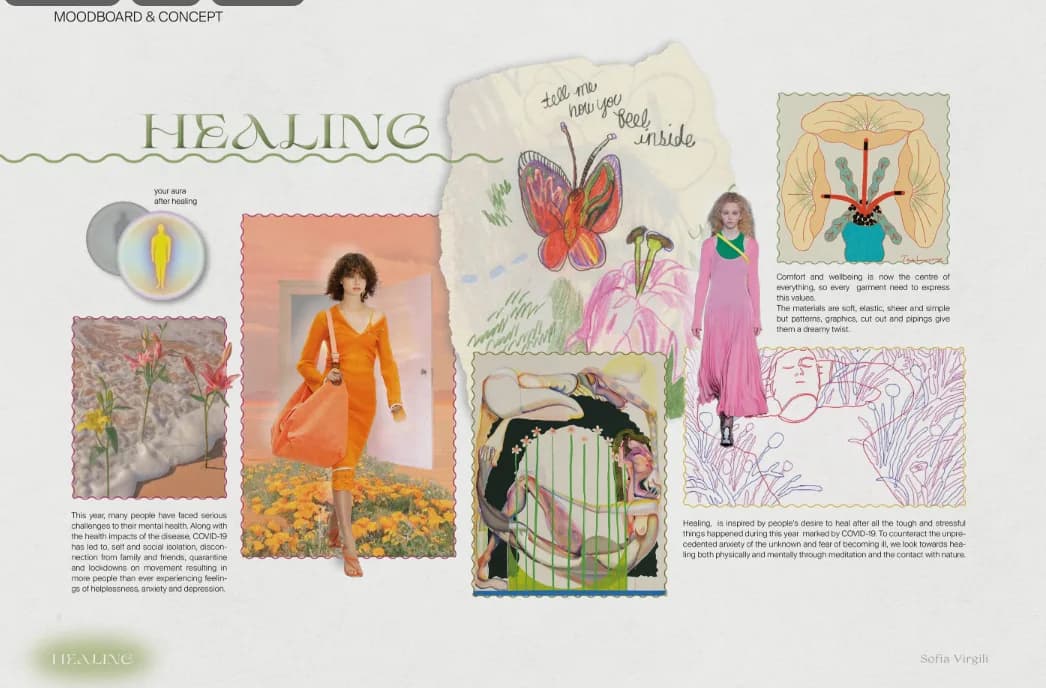
View on BehanceA strong visual narrative includes balanced layouts, cohesive flow, and concept and mood boards that make your collections more relevant and impactful. It throws light on your design process, technical understanding, and allows the viewer to seamlessly navigate your work.
Checklist
- • Reference & Mood Boards
- • Pattern & Texture Breakdowns
- • Process Images
2. Technical Skills & Pattern Making
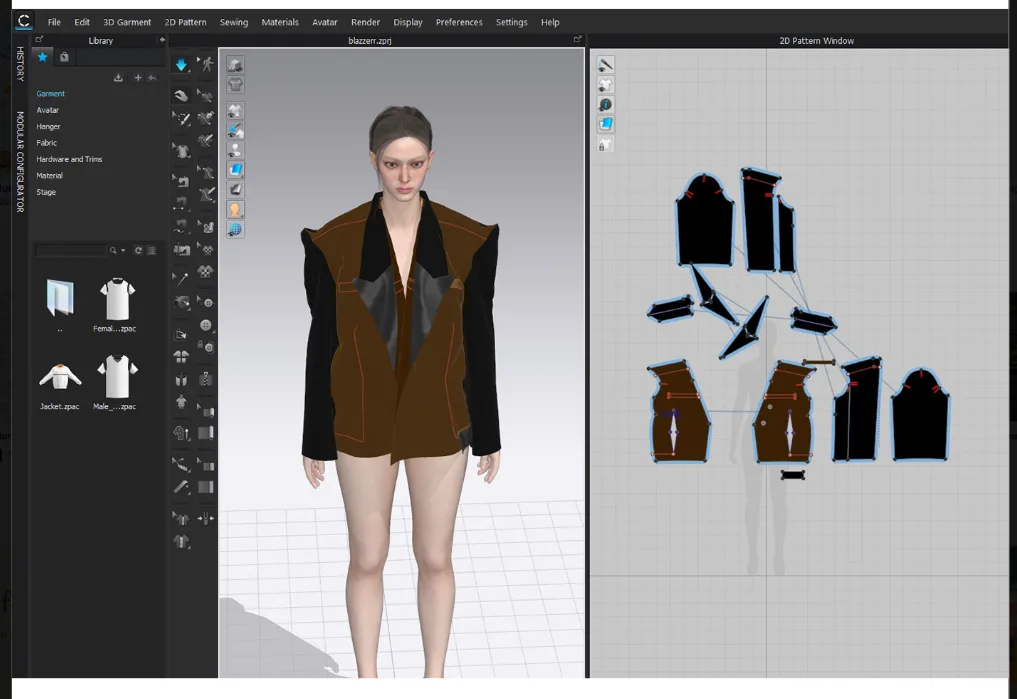
Technical skills are going to be a defining factor. Don’t forget to include 2D patterns alongside your 3D designs. It helps the viewers understand your ability to translate a pattern into a wearable garment.
Learn more about Pattern Making in CLO 3D
Pattern Accuracy Demo
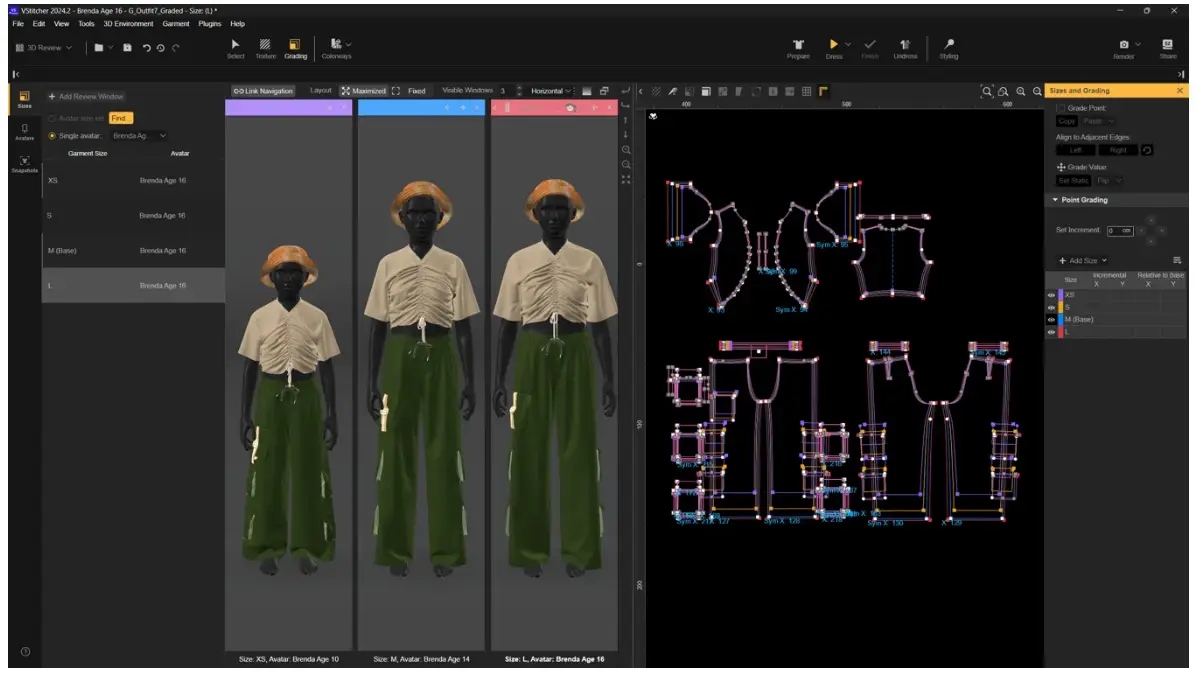
Size Grading Showcase
3. Garment Fit Maps
The "Invisible" Skill
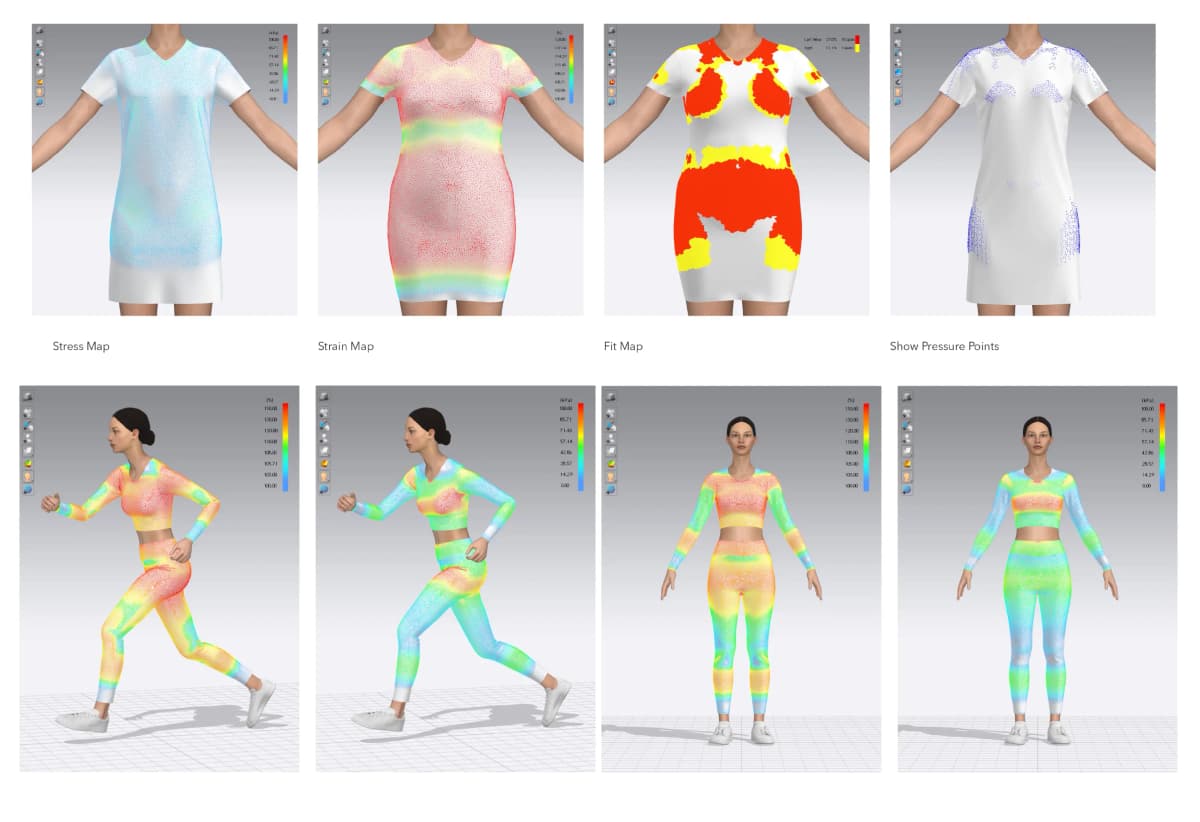
Getting a perfect fit is the holy grail of 3D design. Designers use fit maps (stress/strain maps) to rectify errors. Including these proves you don't just "design" — you engineer the garment.
4. Renders, Textures & Simulation
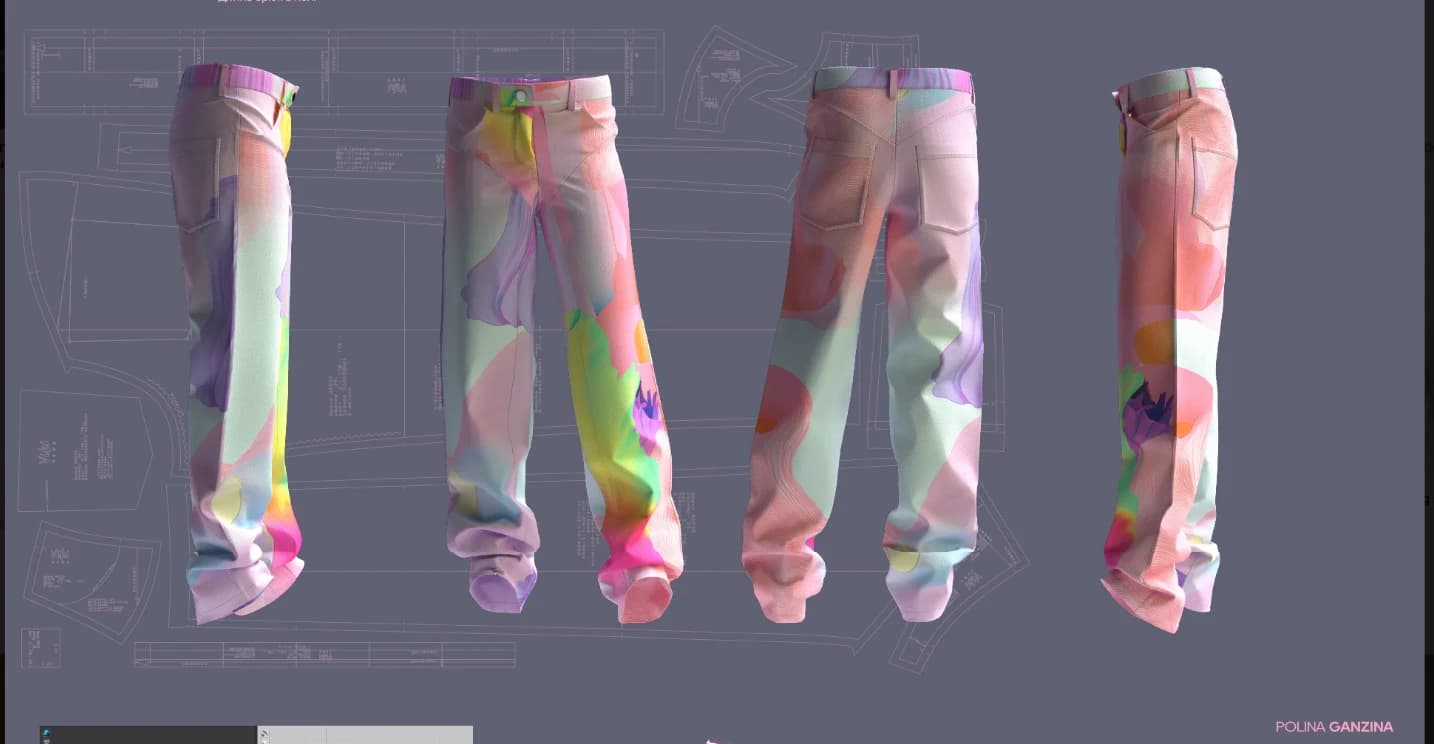
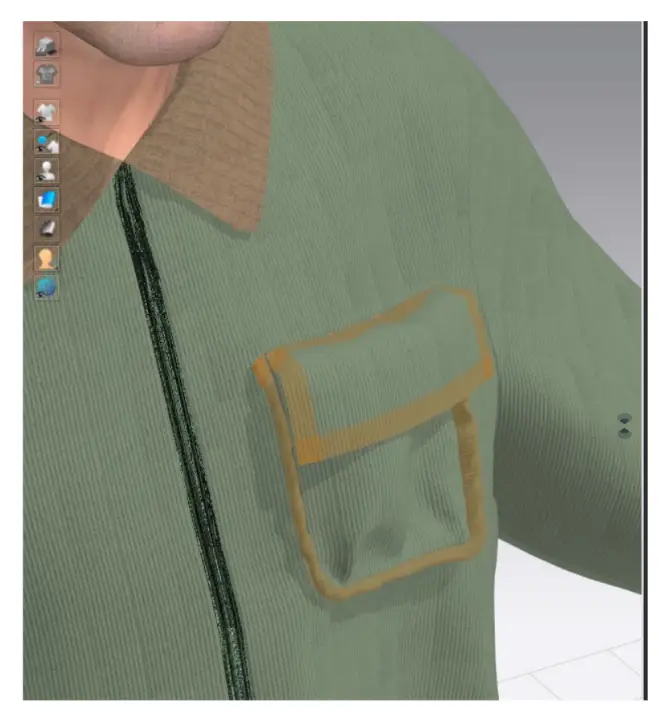
Include close-ups. Show us the stitch details, the fabric grains, the zippers. Use tools like Midjourney or Runway to generate custom fabric textures and simulate them in CLO.
Check out the Best AI Tools for Fashion Designers
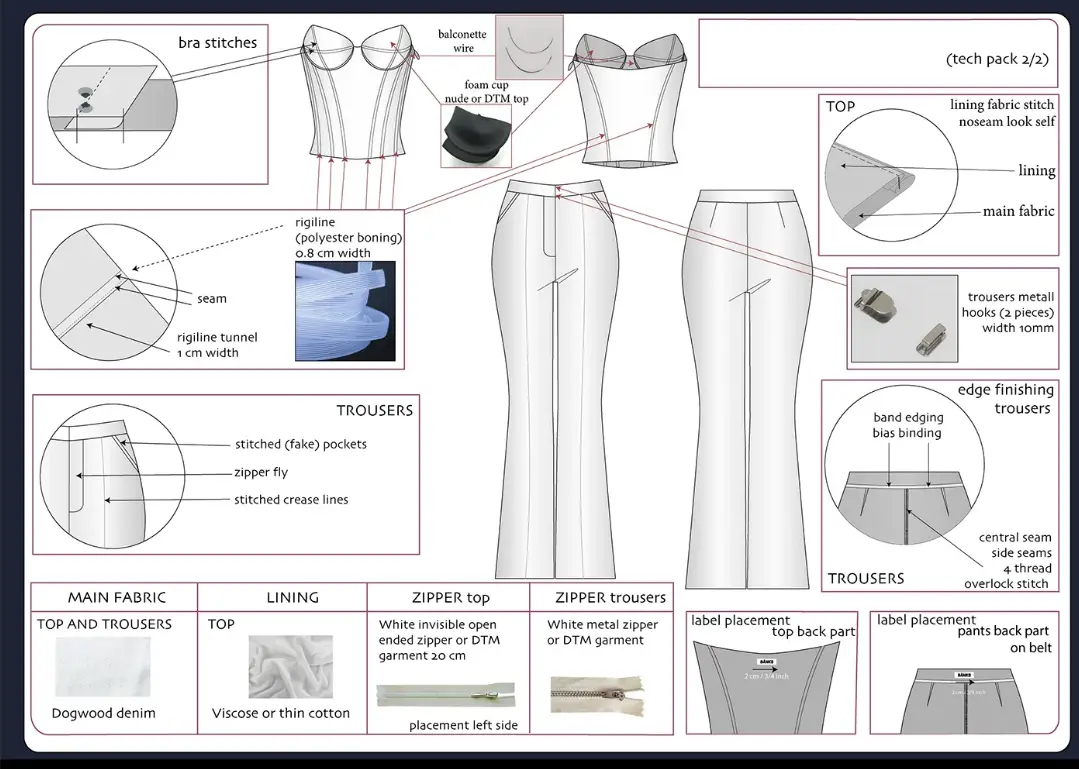
5. The Must-Have: Tech Packs
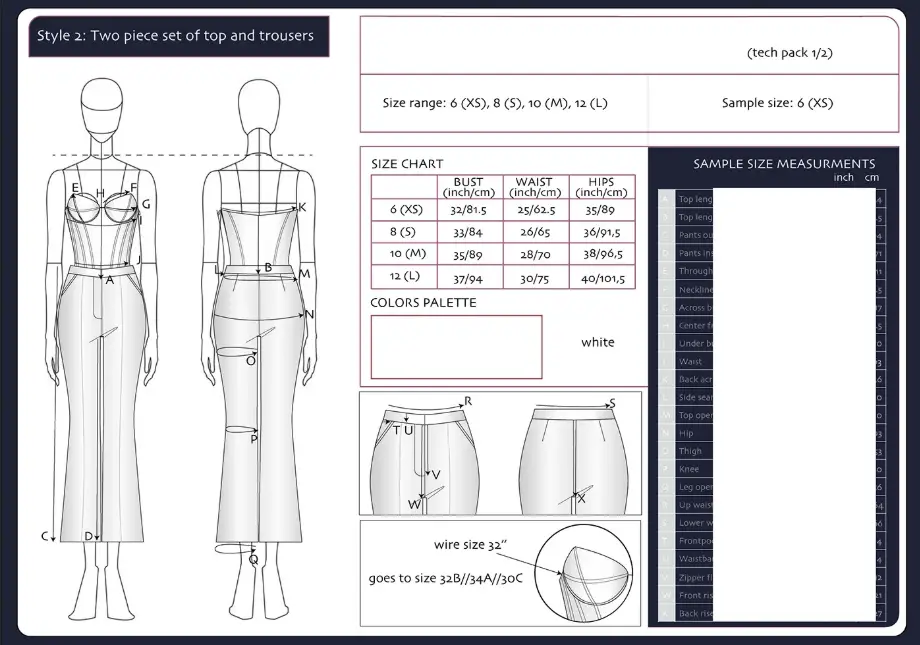
Over 46% of companies list tech packs as a mandatory skill.
How to Structure Your Portfolio
Start with the most recent and relevant project. A strong structure helps maintain flow and allows viewers to engage with your story.
Need help finding work? Read our Freelance Guide
The Hook Image
The opening photograph needs to be the star. Make it complete with a 3D avatar, stylistic pose, and a contextual (but simple) background. It’s your showstopper.
Project Details & Process
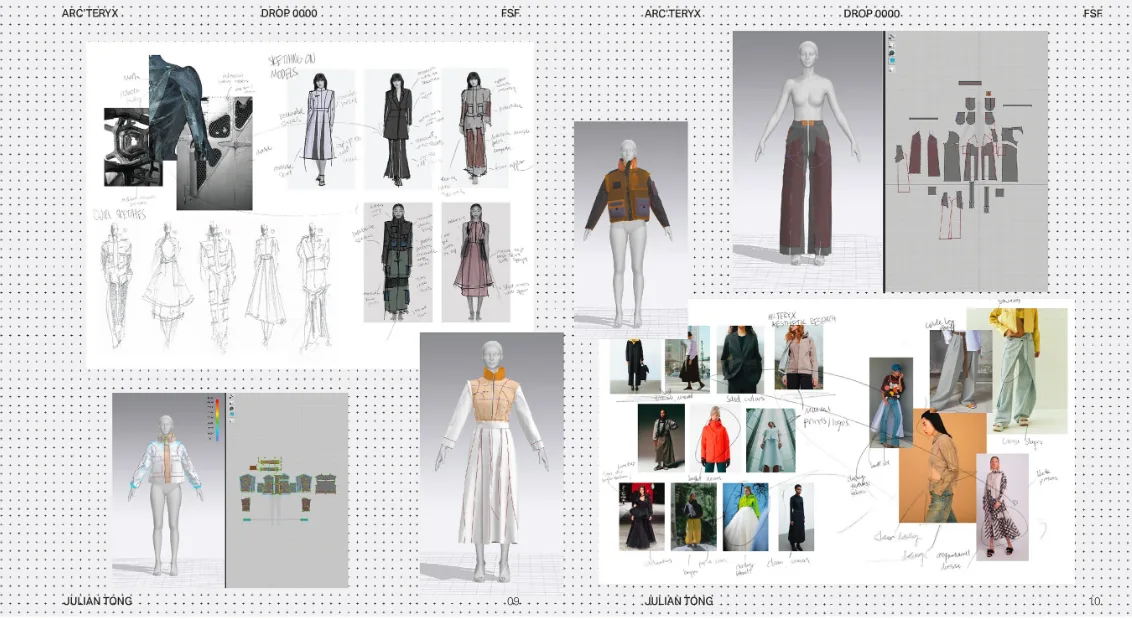
After the star image, walk the viewer through the details. Include the entire rendered collection, sketch ideas, trims, and reference boards.
Example: Cohesive layout showing sketches alongside 3D renders.
Fabric Study
Reflect your knowledge beyond just the design. A digital fabric study exploring weaves, knits, and weights shows versatility. Include surface detail explorations and texture breakdowns.
Commercial Capsule Collection
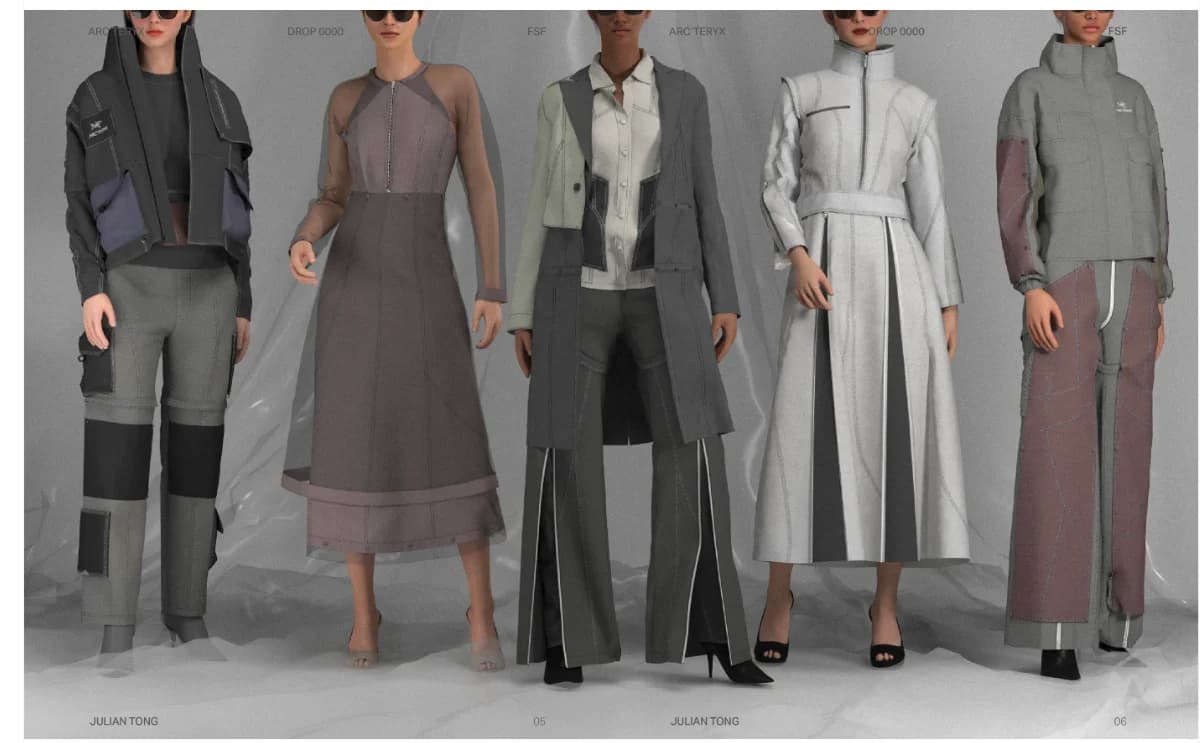
Convey your ability to design sellable pieces. Add a capsule collection with 5-6 pieces that can be styled in different ways, showing off your range planning skills.
Bring It to Life
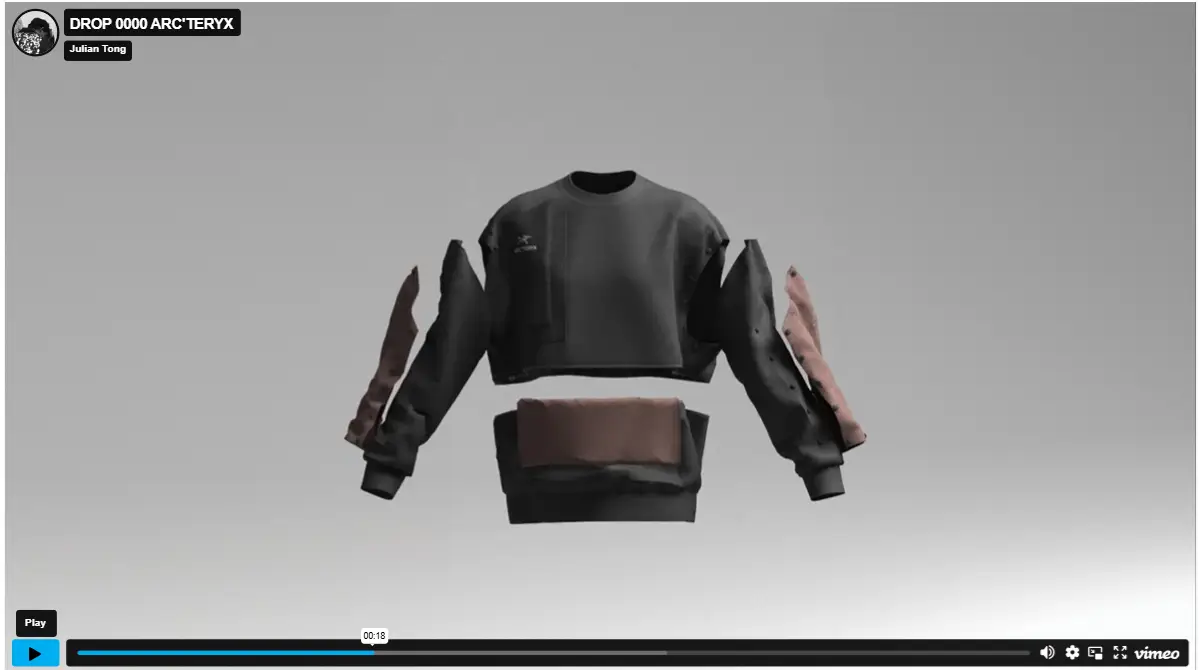
Use AI tools or CLO animation to create fashion show sequences or exploding garment animations. It shows mastery of motion and future-readiness.
Don't Forget: A Little About You
Brief and professional. Include your professional headshot, a 3-4 line design philosophy, and clear contact details. Link your LinkedIn but avoid clutter.
Where to Host Your Portfolio
Behance
Most popular for fashion. Linked to Creative Cloud.
Dribbble
Great for feedback and freelance opportunities.
Personal Site
Wix or Adobe Portfolio. Ultimate professional control.
Social Media
LinkedIn & Instagram for networking and visibility.
Make Your Portfolio Stand Out
The fashion landscape is competitive. Use these strategies to ensure you're the one they remember.
Process is Key
Don't just show the result. Walk the viewer through your entire design journey.
Niche & Versatile
Show diverse skills, but anchor them in a specific niche expertise.
Visual Quality
Never compromise. High-res renders and clean layouts are non-negotiable.
360° Views
Add turntables or 360-degree views to show every angle of your design.
Motion Narrative
Use video formats to build a story that engages beyond static images.
Custom Tailoring
Adapt your portfolio focus depending on the specific role you apply for.